Hair loss is a concern that affects many people worldwide. While various factors contribute to this issue, one often overlooked aspect is the pH balance of the hair and scalp. Using pH balanced products can helps maintain the health of your hair and scalp. Hair loss is a common concern that affects millions of people worldwide. Whether it’s due to genetics, hormonal changes, or other factors, understanding the causes and stages of hair growth can help shed light on this issue.
Hair Loss & Thinning
Hair loss, also known as alopecia, can occur in both men and women. It can be temporary or permanent, and its severity can vary from mild thinning to complete baldness. There are several types of hair loss, including androgenetic alopecia (pattern baldness), alopecia areata (patchy hair loss), and telogen effluvium (temporary shedding). Understanding the specific type of hair loss is crucial in determining the appropriate treatment options.
Various factors contribute to hair loss. Genetics play a significant role, as family history often determines the likelihood of experiencing hair loss. Androgenetic alopecia, the most common type of hair loss, is often hereditary. Hormonal changes can also contribute to hair loss. Imbalances occurring during pregnancy, menopause, or thyroid disorders can disrupt the hair growth cycle. The hormone dihydrotestosterone (DHT) is known to shrink hair follicles in individuals genetically predisposed to hair loss.
Medical conditions can also lead to hair loss. Scalp infections, autoimmune diseases, and nutritional deficiencies can all have an impact. Treating the underlying condition is crucial in addressing the hair loss issue. Additionally, lifestyle factors can contribute to hair loss. Poor nutrition, excessive stress, smoking, and harsh hair treatments can all affect hair health. Maintaining a balanced diet, managing stress levels, and adopting gentle hair care practices all play an important role in supporting hair growth.
Understanding pH Balance
The pH level of a substance measures how acidic or alkaline it is. Our scalp has a natural pH level of around 4.5-5.5, which is slightly acidic. This acidity helps to keep the cuticle layer of our hair closed, protecting the inner structure of the hair and maintaining its strength and elasticity. Using hair care products that are too alkaline can disrupt this balance, leading to hair damage and potential hair loss.
The Power of pH Balanced Products
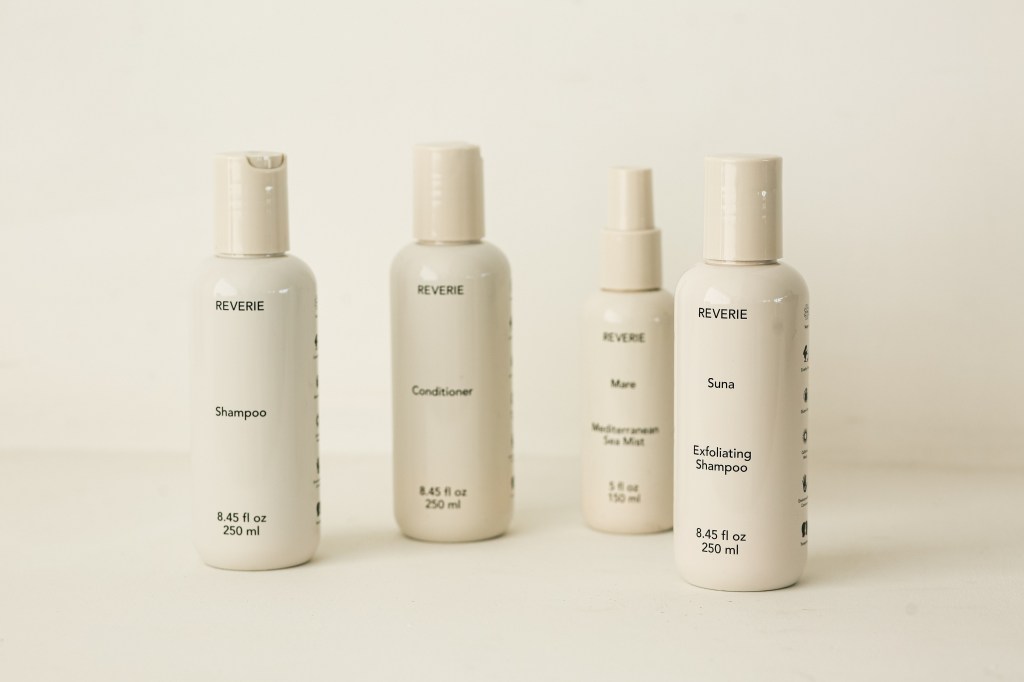
pH balanced products help to maintain the natural acidity of the scalp, keeping the hair cuticle closed and promoting healthier, stronger hair. By ensuring that the scalp’s pH level remains within the ideal range, these products not only support the overall health of the hair but also contribute to a more vibrant and lustrous appearance. The right balance of acidity can fortify the hair strands, helping to prevent hair loss by reducing breakage and damage while creating the optimal environment for happy hair. Regular use of pH balanced shampoos and conditioners can result in improved manageability, reduced frizz, and enhanced shine, making them an essential part of any hair care routine aimed at healthy, shiny hair.
Hair Growth Occurs in Cycles
Hair growth happens in three stages: anagen, catagen, and telogen. The anagen phase is when hair is actively growing and can last two to seven years, determining how long hair can become. The catagen phase lasts a few weeks when hair growth stops and follicles shrink, preparing for the next stage. The telogen phase, or resting phase, lasts about three months, during which hair is dormant before shedding and starting the cycle again. Knowing these stages helps us understand how hair grows and ways to support our hair cycle in our daily routines to encourage a long, healthy growth phase. I explore this topic further in my eBook, The Internal and External of Hair Health.
Some ingredients that are commonly recognized for their potential in promoting hair growth include:
Rose Rose oil to alleviate and soothe an irritated scalp. Its anti-inflammatory properties are effective in mitigating dandruff, which is a frequent contributor to hair loss.
Rosemary Rosemary oil is recognized for its capacity to stimulate hair growth. It enhances circulation to the scalp and delivers deep, lightweight nourishment to the hair follicles, which can contribute to strengthening them and promoting healthier hair. Additionally, rosemary is often compared to Minoxidil, another well-known hair restoration product that is effective in stimulating rapid hair regrowth. However, stopping the use of Minoxidil usually results in the recurrence of hair loss, as the follicles will no longer receive stimulation. This is the same concept as the use of high-frequency wands and massage brushes.
In contrast, rosemary and plant stem cells have demonstrated long-term benefits; discontinuing their use does not lead to immediate or returned hair loss, although the results may take longer to manifest, as they rely on the body’s natural growing processes rather than an external shock to stimulate cell regeneration.
Plant Stem Cells Plant stem cells support hair growth by stimulating collagen regeneration, which promotes the production of new hair cells while enhancing overall scalp health. Since the scalp is essentially skin, incorporating plant stem cells into your haircare routine helps create a stronger foundation to support stronger, healthier hair production. The botanical extract not only nurtures the hair follicles but also provides essential nutrients that combat hair thinning and loss, thereby addressing common concerns faced by many individuals. Moreover, plant stem cells are rich in antioxidants, which protect the scalp from environmental stressors and free radicals, ensuring that the delicate skin retains its vitality and youth. By integrating plant stem cells into your daily regimen, you can foster an optimal environment for hair growth, allowing for a more robust and vibrant mane over time.
However, even though these are natural, they are not pH balanced and unless formulated correctly, they should be rinsed off eventually. If Rosemary oil is left on for too long, for example, it can cause the scalp to be itchy and irritated. This is because oil has a higher alkalinity, which may disrupt the natural balance of the scalp if not used properly. Additionally, it is essential to follow the manufacturer’s instructions on usage and application frequency to ensure effective results without adverse side effects.
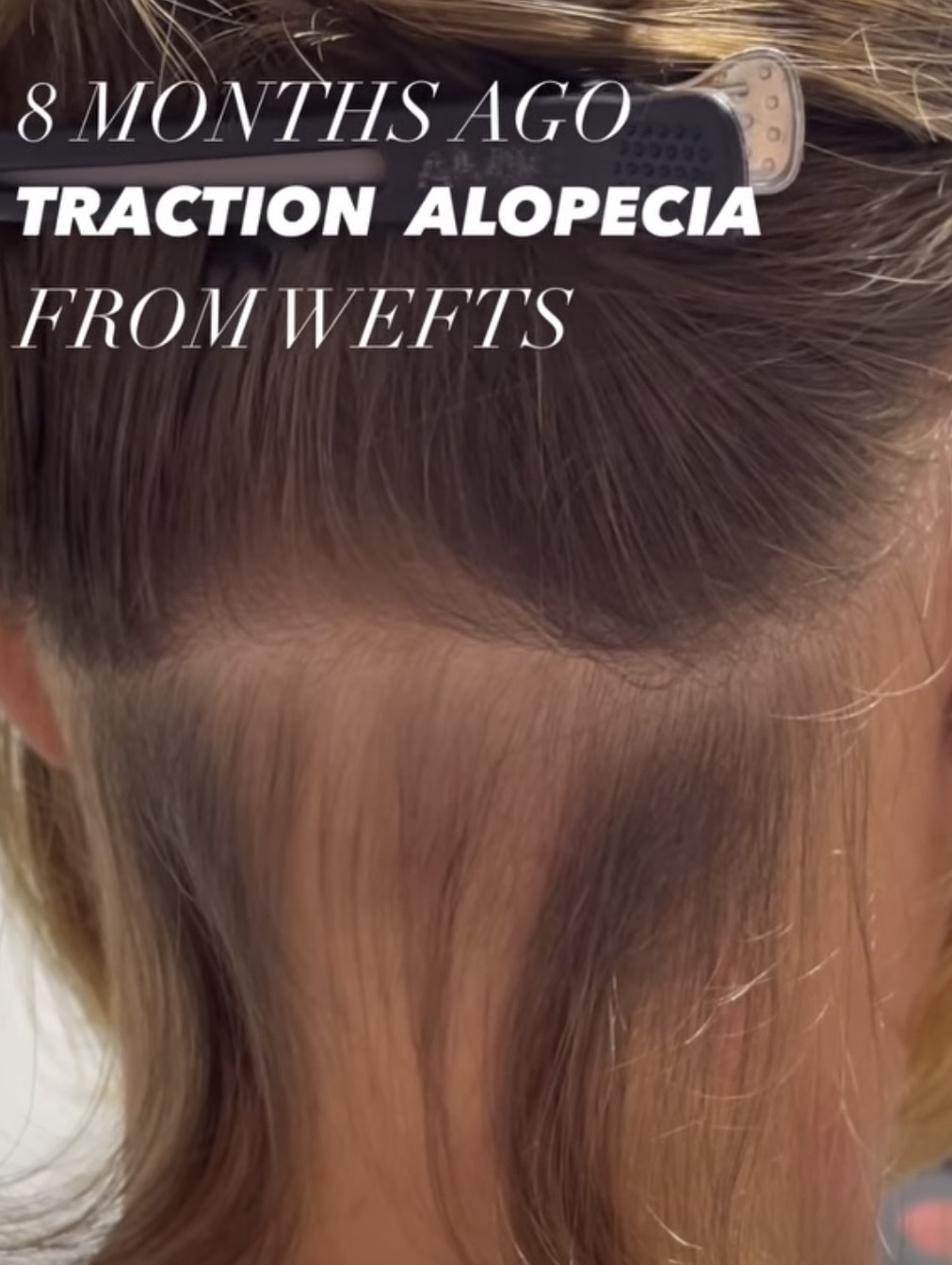
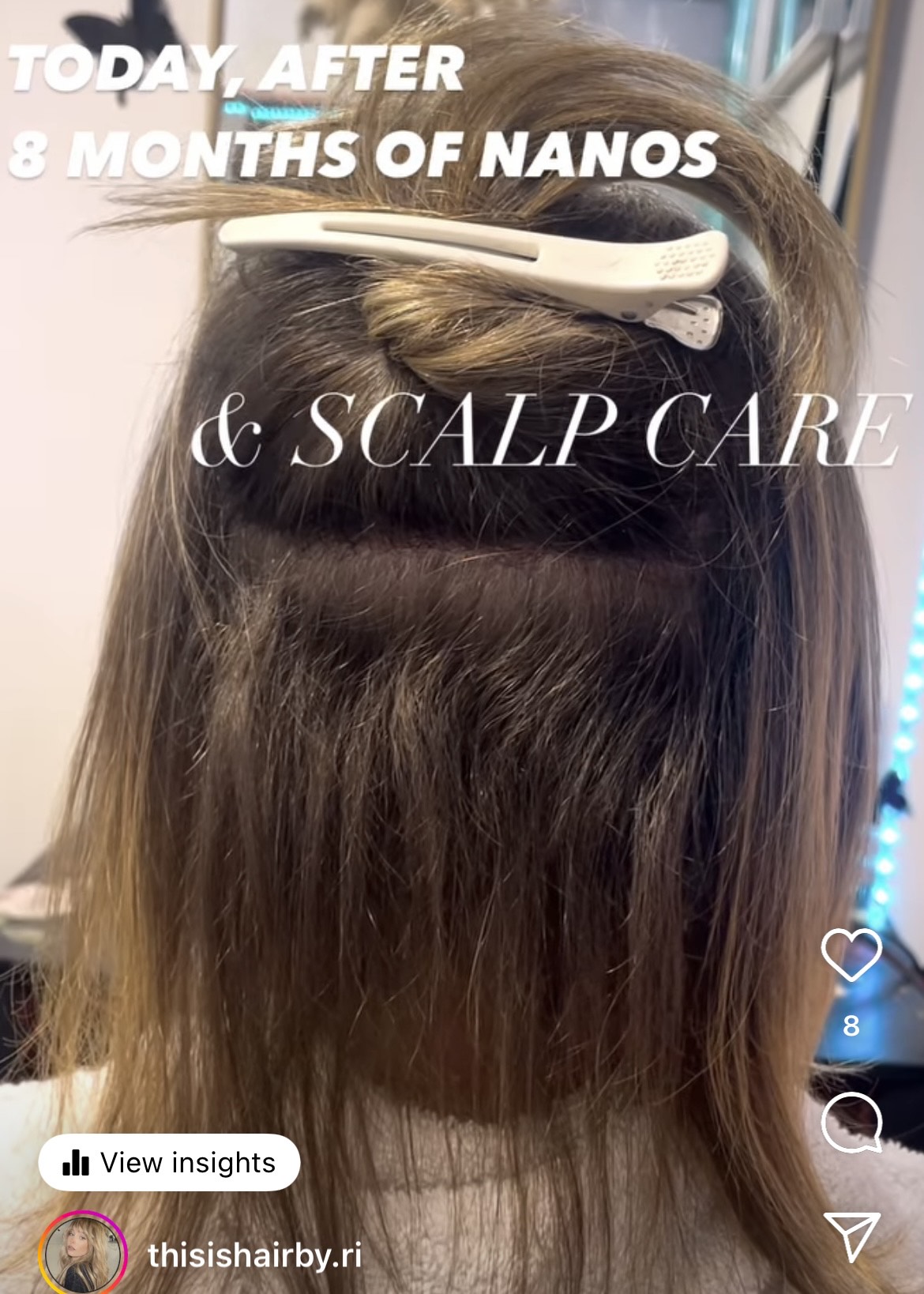
Last week, I had the opportunity to document the progress of one of my clients through a before and after testimony. The amount of density returning is truly inspiring!
Shop my must-have hair and scalp care products,
or my eBook—now on sale! Head over to:
https://butterflystudio.ca/shop-haircare/ols/categories/haircare
Instagram and Facebook @thisishairby.ri
 THIS IS HAIR BY RI