
Let’s dive into this! We often believe that our hair and skin care depend solely on the products we use. While this is certainly a part of the equation, it’s crucial to recognize that our diet, stress levels, and hormones play equally significant roles. These three factors are interrelated, meaning that by making the right adjustments, you can effectively support your body in the way it truly needs.
What are hormones? Hormones are chemical messengers produced by various glands in the body that travel through the bloodstream to regulate and control a wide range of physiological processes ( the ways in which organ systems, organs, tissues, cells, and biomolecules work together to accomplish the complex goal of sustaining life). They play a key role in maintaining homeostasis (balance) in the body, affecting growth, metabolism, reproduction, mood, energy, immune function, and more.
Each hormone has specific functions, and they work in complex networks to coordinate various bodily systems. Hormones are typically produced by endocrine glands, such as the thyroid, adrenal glands, pancreas, ovaries, and testes. Some hormones, like insulin or cortisol, are produced continuously, while others, like reproductive hormones (estrogen, progesterone, testosterone), fluctuate throughout life.
Key Hormones and Their Functions
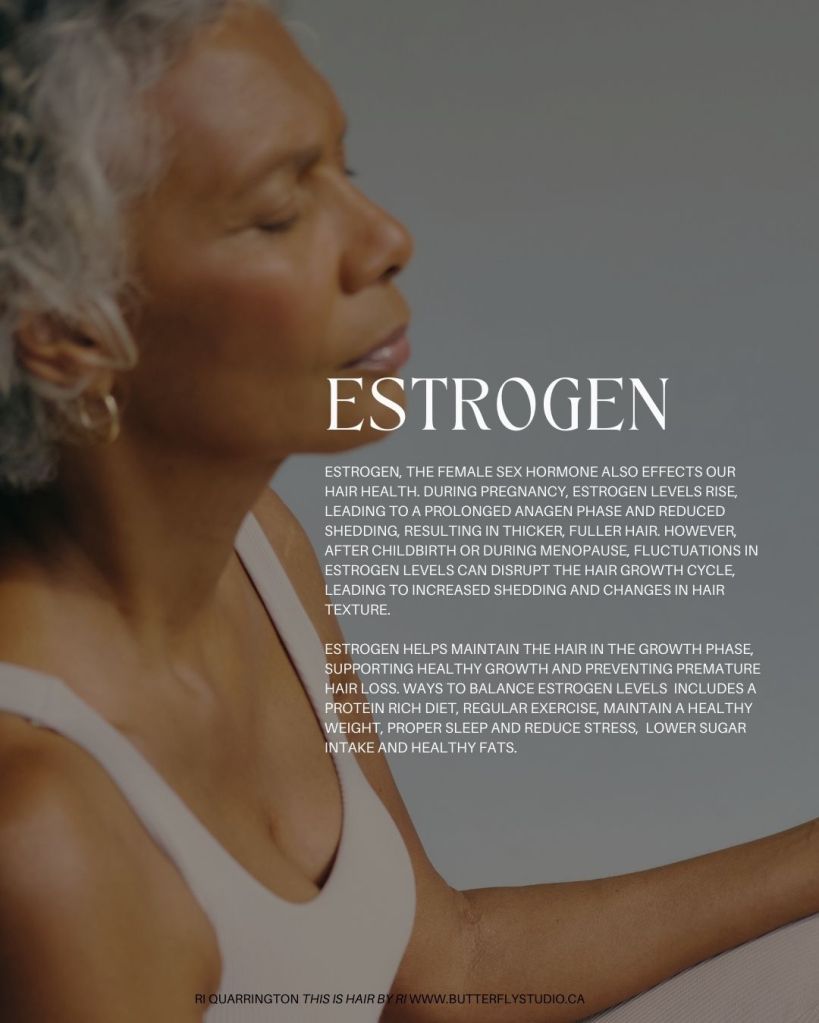
Estrogen
Primary role: Regulates the female reproductive system and menstrual cycle; also important for bone health and skin elasticity.
Impact: Imbalances can cause irregular periods, mood swings, hot flashes, and bone loss.
Progesterone
Role: Prepares the uterus for pregnancy and regulates the menstrual cycle. It calms the nervous system.
Impact: Low progesterone can cause anxiety, irregular periods, and fertility issues.
Testosterone
Primary role: While mostly a male hormone, women also create testosterone in small quantities. It affects sex drive, muscle strength, bone health, and energy levels.
Impact: Low testosterone can lead to lower libido, tiredness, and muscle weakness.
Insulin
Primary role: Helps control blood sugar by allowing cells to use glucose for energy.
Impact: Insulin resistance can cause high blood sugar, tiredness, and a greater risk of type 2 diabetes.
Thyroid Hormones (T3 and T4)
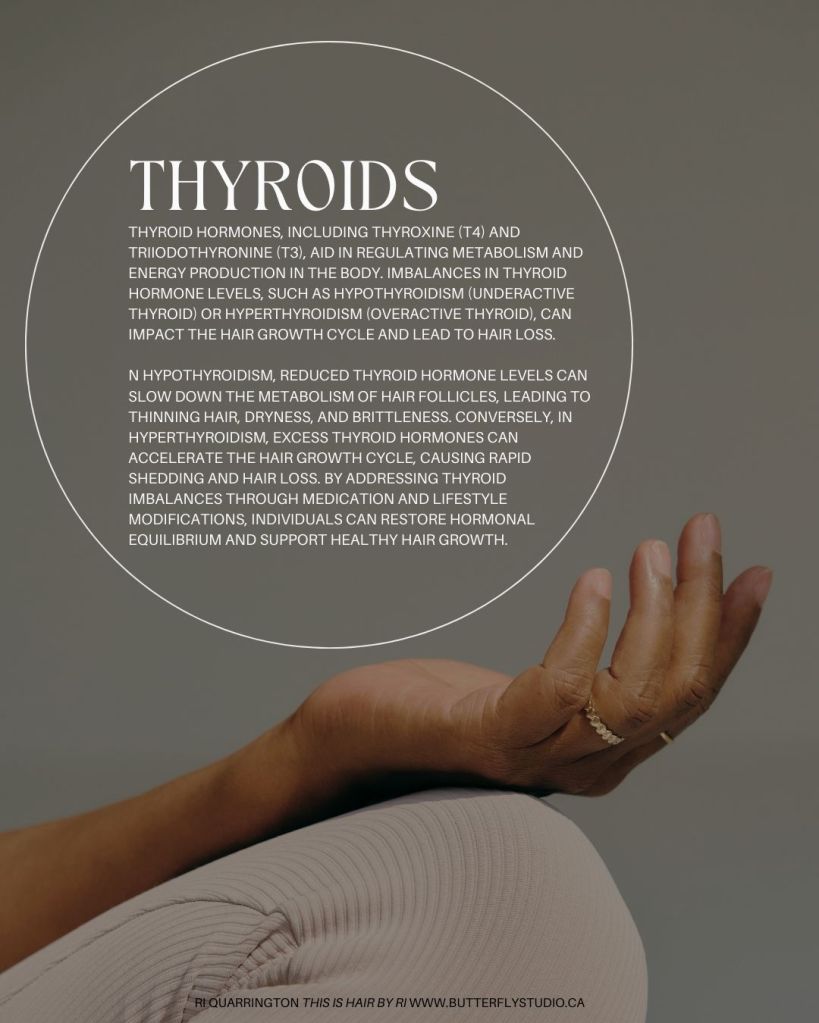
Primary role: Regulate metabolism, energy production, and overall body temperature.
Impact: An imbalance can lead to hypothyroidism (fatigue, weight gain, cold intolerance) or hyperthyroidism (weight loss, anxiety, and rapid heart rate).
Cortisol
Primary role: Known as the “stress hormone,” cortisol is produced by the adrenal glands. It helps the body respond to stress and regulates metabolism and immune function.
Impact: High cortisol levels from stress or lack of sleep can cause weight gain, especially around the abdomen, high blood pressure, and a weaker immune system.
Adrenaline (Epinephrine)
Role: Released during stress, it boosts heart rate, blood pressure, and energy.
Impact: Regular adrenaline spikes can cause fatigue, irritability, and anxiety.
Growth Hormone (GH)
Primary role: Promotes growth and cell repair; essential for health and metabolism.
Impact: Low GH levels can cause less muscle, fatigue, and slower injury recovery.
Leptin and Ghrelin
Primary role: Leptin helps control hunger by signaling when you are full. Ghrelin signals when it’s time to eat.
Impact: Leptin resistance can result in overeating and weight gain, while imbalances in ghrelin can lead to increased appetite.
How Hormones Impact Us
Hormones impact all areas of our physical, mental, and emotional well-being.
Metabolism and Weight
Hormones like insulin and thyroid hormones regulate energy use and storage, with imbalances leading to weight issues.
Mood and Mental Health
Hormones influence brain neurotransmitters, affecting mood; drops in estrogen, especially during menopause, can result in mood swings and anxiety.
Reproductive Health
Estrogen and progesterone manage the menstrual cycle and pregnancy, with imbalances causing various reproductive issues.
Bone and Heart Health
Estrogen helps maintain bone density, and its decline increases osteoporosis risk; it also plays a role in heart health through its effect on blood pressure and cholesterol.
Energy and Sleep
Cortisol and melatonin regulate sleep; high cortisol can disrupt sleep patterns while melatonin signals sleep readiness.
Skin and Hair
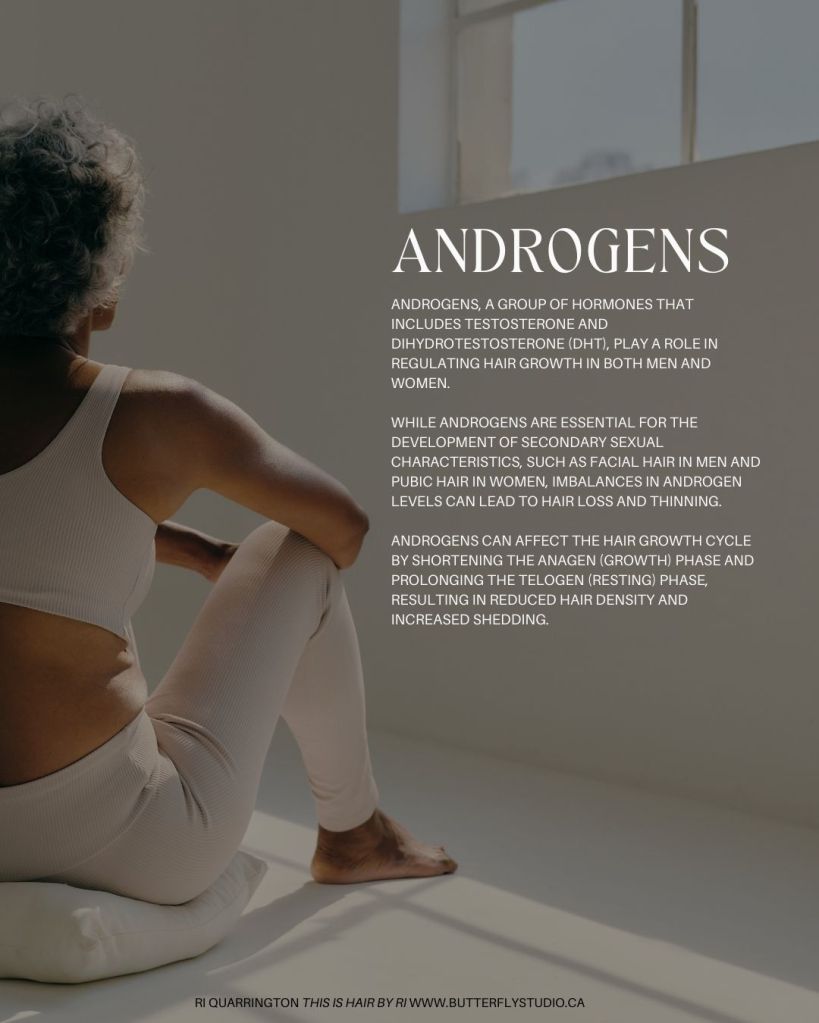
Hormonal changes during pregnancy or menopause can affect skin and hair health, with androgens contributing to acne and hormonal changes influencing hair growth.
Immune Function
Cortisol, along with other hormones, influences immune system activity. While cortisol helps suppress inflammation in the short term, chronic high levels can weaken the immune system, leading to higher susceptibility to infections and autoimmune diseases.
5 Things That Help Balance Your Hormones
- Eat a Balanced Diet
- Focus on whole, unprocessed foods that include healthy fats (avocados, olive oil, nuts), lean proteins, and high-fiber vegetables. Cruciferous vegetables like broccoli and cauliflower help the liver detoxify excess estrogen, while omega-3 fatty acids (found in fish, flaxseed, and walnuts) can support hormone production and balance.
- Manage Stress
- Incorporating stress-reducing practices such as yoga, meditation, deep breathing, or mindfulness can help lower cortisol levels. Regular relaxation and self-care are essential in maintaining hormone balance.
- Prioritize Sleep
- Aim for 7-9 hours of sleep per night. Sleep is crucial for the production of key hormones such as melatonin, cortisol, and growth hormone. Consistent, restful sleep also helps regulate appetite hormones like ghrelin and leptin.
- Exercise Regularly (Moderation is Key)
- Regular moderate exercise (such as walking, swimming, or strength training) can help balance insulin levels, regulate cortisol, and support hormonal health. However, be cautious about overtraining, as this can lead to hormonal disruption.
- Support Gut Health
- A healthy gut is vital for hormone metabolism. Incorporate probiotic-rich foods (like yogurt, kefir, or fermented vegetables) and prebiotics (such as garlic, onions, and asparagus) to promote a healthy microbiome. A balanced gut can help metabolize excess estrogen and improve digestion, both of which are important for hormonal balance.
By incorporating these lifestyle changes, you can support your hormonal health and reduce the effects of common imbalances (including the hidden impact of fragrance/parfum in products). Your hair, skin, and overall well-being will thank you!
 THIS IS HAIR BY RI